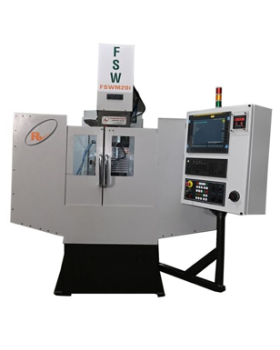
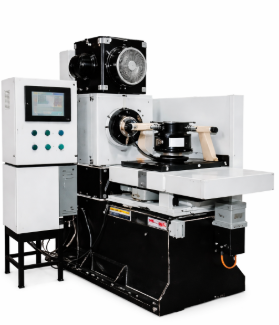
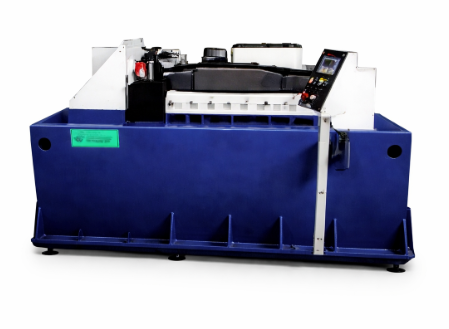
FSW Website Menu

Cold Plate Solutions
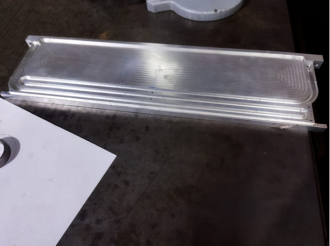
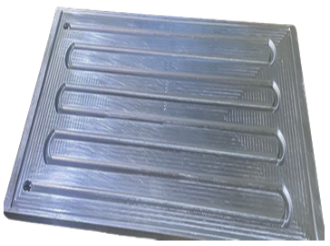
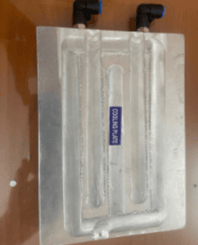
Cold Plate 1
Cold Plate 2
Cold Plate 3

Introduction to Cold Plate

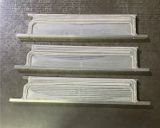
  • Cold plate are specialized thermal management components designed to efficiently transfer heat away from high-power electronic devices, battery packs, and other industrial systems. They are widely used in electronics cooling, EV battery thermal management, and power electronics applications.
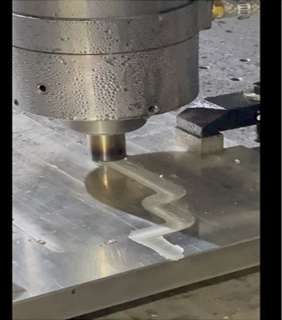
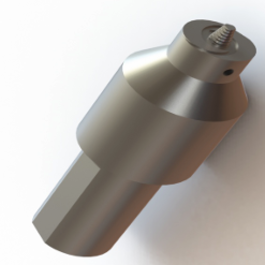
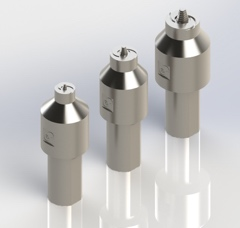
Cold Plate Tool
WHY FSW FOR COLD PLATES
Perfect Channel Sealing
Solid-state welding creates fully sealed flow channels, eliminating leaks without the need for gaskets or sealants.
Superior Thermal Transfer
The defect-free joint preserves material conductivity, enabling efficient heat dissipation across the cold plate.
High Structural Reliability
Low distortion and uniform metallurgical bonding ensure long-term strength under pressure and thermal cycling.
Simplified, Cost-Effective Design
FSW removes the need for screws, brazing, or multiple joints, reducing part count, assembly time, and overall cost.
COLD PLATE FSW PARAMETERS & QUALITY
Cover Plate Thickness
Typically ranges from 1mm to 10mm and affects tool speed, travel speed, and tool selection.
Tool Path Planning
Requires precise programming for uniform strength and complete weld penetration.
Exit / Dead Zone Control
Ensures smooth weld termination and prevents surface or structural defects.
Pressure Testing
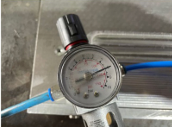
Confirms burst resistance and operating pressure safety.
Leak Test
Verifies weld sealing and prevents fluid leaks.
Thermal Performance Test
Evaluates heat transfer efficiency and pressure loss.
Visual Inspection
Checks flash removal and confirms proper tool contact.
Lid Image 1 Lid Image 2
Lid Design
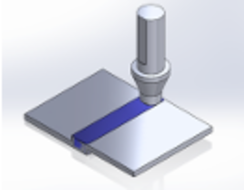
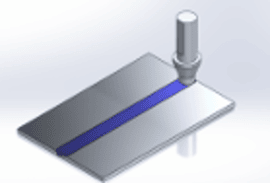
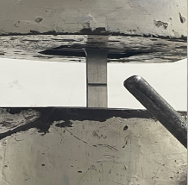
For aluminium cold plate manufacturing, the lid plate thickness must be designed based on the internal channel size. An ideal thickness delivers the best balance between strength, thermal efficiency, and weld quality. Maintaining this range enables faster welding speeds, superior joint consistency, and minimal thermal distortion, resulting in high-performance, reliable cold plate assemblies. The lid plate can be designed with either butt or lap joints, depending on the application requirements. For butt joints, a tool plunge depth of 80–90% of the lid thickness and a gap of 5–10% of the plate thickness ensure high-strength, consistent welds. For lap joints, maintaining a maximum tool penetration of 2 mm into the channel plate delivers superior bonding and reliable thermal performance.
Tool Design
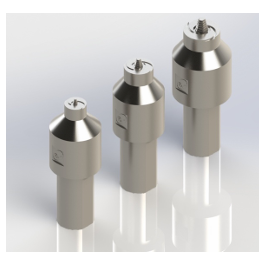
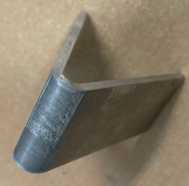
For aluminium FSW applications, a conical three-flat threaded tool is recommended to ensure efficient material flow and superior weld quality. The pin diameter should be approximately equal to the plate thickness, with a shoulder diameter 2.5 to 3.5 times the plate thickness. The pin length should be maintained at 80–90% of the plate thickness for optimum performance. RV standard tool models, available for both cast aluminium and aluminium plate materials, are recommended for heat sink and cold plate FSW applications to achieve consistent and high-quality welds.
Tool Image 1 Tool Image 2
Main

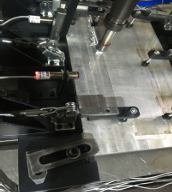
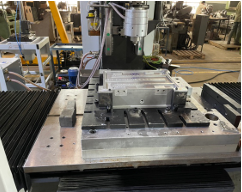
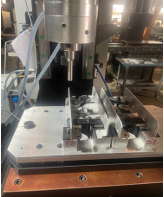
Part fixture design

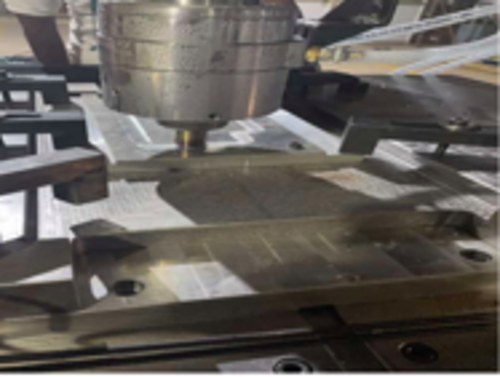
Withstand axial/forge forces from the FSW tool on all four sides of the weld seam for both channel plate and lid plate. Maintain clamping near the weld tool without interfering with tool path or tool-holder travel.

Automatic toggle clamps for efficient fixturing of long panels and repeatable clamping force. Sturdy base and frame to resist reaction forces and vibrations. Fixture cooling system to remove heat from plates and reduce thermal distortion.

WELD QUALITY TEST

Friction Stir Welding (FSW) delivers superior weld quality with excellent mechanical strength and consistency. Each weld undergoes pressure leak testing to confirm joint strength and sealing performance. Ultrasonic or X-ray inspections are carried out to ensure the weld zone is completely free from voids or internal defects.

Thermal performance tests validate effective heat transfer and structural stability under operating conditions. Overall, FSW ensures defect-free, reliable, and long-lasting joints ideal for high performance applications.
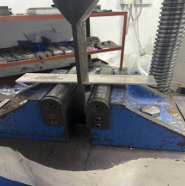
Main

Cold Plate for Advanced Thermal Management

Efficient • Reliable • Sustainable

Cold plates play a vital role in electric vehicles, batteries, power electronics, aerospace, and renewable energy systems, where efficient heat dissipation is essential for performance and longevity.

Using Friction Stir Welding (FSW) technology, we deliver next-generation cooling plates with exceptional thermal conductivity, leak-proof operation, and structural integrity— engineered to meet the highest standards of reliability.
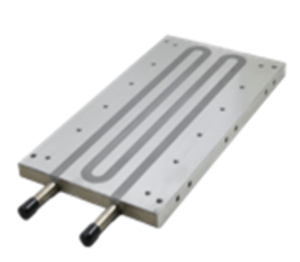
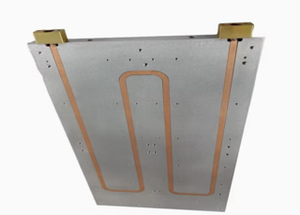
Cooling Plate 1 Cooling Plate 2
Key Advantages of Cold Plate
  • Superior reliability under thermal and mechanical stress
  • High precision and repeatability in production
  • Suitable for complex cooling channel geometries
  • Lightweight and compact design flexibility
  • Sustainable and energy-efficient process
Technical Features
  • Channel Design Options: Straight, serpentine, pin-fin, and custom patterns.
  • Material Options: High-strength aluminium alloys (e.g., 6061, 6082, 7075) and copper-aluminium hybrid designs.
  • Weld Quality: Defect-free joints with high pressure resistance.
  • Thickness Range: Typically, 2 mm – 15 mm depending on design.
  • Thermal Performance: High heat dissipation capacity, supporting liquid cooling up to 10–20 kW depending on geometry.
  • Surface Finish: Anodized or coated for corrosion resistance.
Cooling Plate 3
RV Machine Tools
Chat with Us